APsense

  • Our Services

    We offer best-in-class research and consulting services pertaining to the markets of all geographies. Our experienced team of business analysts and consultants has mastered fundamental and advanced market research in diverse industries.

  • Syndicated Research

    Syndicated research is the most cost-effective market research approach, which gives an analytical outlook of the competitive positioning, product positioning, and size estimation of the market at the micro level. Our off-the-shelf reports offer key market insights that industry stakeholders require to base their business strategy on. Our syndicated research services empower our clients to meet diverse market objectives.

  • Customized Research

    we also deliver customized research services to address specific needs of our clients. With a vast pool of adroit analysts who are proficient in market research, we take pride in tailoring our research services to meet our clients’ definite requirements and aid their business growth.

  • Consulting Services

    Businesses, today, need to adapt themselves to the changes that transpire in the market. Staying abreast of the market trends, therefore, becomes imperative for accomplishing business objectives.

  • Our Vision

    To be the most trusted partner in our clients' success endeavors

Showing posts with label Clinical Trials & Results. Show all posts

Adrenocortical Carcinoma Therapeutics - Pipeline Analysis, Collaborations, and Other Developments


Adrenocortical carcinoma, also known as adrenal cortex carcinoma, is a rare form of cancer that occurs at the cortex layer of the adrenal gland. There are two adrenal glands present in the human body: one at the top of each kidney. Each adrenal gland is comprised of two distinct structures: the outer part of the adrenal glands (adrenal cortex) and the inner region (adrenal medulla).
Some of the genetic condition that can cause adrenocortical carcinoma are Li-Fraumeni syndrome, Carney complex, and Beckwith-Wiedemann syndrome. Some of the most common symptoms of this medical condition includes abdominal pain, lump in the abdomen, and feeling of fullness. 

Request to Get the Sample Pages at: 

The disease can be diagnosed by imaging technique such as computed tomography (CT) scan, magnetic resonance imaging (MRI), biopsy, blood tests, and urine tests. Millendo Therapeutics Inc. is in the process of developing ATR-101 as an acetyl CoA C-acetyltransferase inhibitor for the treatment of adrenocortical carcinoma. Merck & Co., Inc. is also in the process of developing pembrolizumab as a CD274 antigen inhibitor for the treatment of adrenocortical carcinoma. Some of the other companies and universities having the pipeline drug for adrenocortical carcinoma includes the Columbia University, Medunik Canada Inc., HRA Pharma, and others.

The report provides a comprehensive understanding of the pipeline activities covering all drug candidates under various stages of development, with the detailed analysis of pipeline and clinical trials.

Pipeline analysis of drugs by phases includes product description and development activities including information about clinical results, designations, collaborations, licensing, grants, technology, and others.

Share:

Cathepsin K Inhibitors Therapeutics - Pipeline Analysis 2019 Clinical Trials & Results


Cathepsin K is a protease enzyme which is coded by CTSK gene. The function associated with the gene involves bone remodelling and resorption. Cathepsin K is a member of peptidase C1 protein family and expressed mainly in osteoclasts. The protein has high specificity for kinins and has the capability to catabolize collagen, elastin, and gelatin. Cathepsin K is found to be over-expressed in cancer such as breast cancer and glioblastoma. The mutation in CTSK gene can cause pycnodysostosis. Due to over expression of cathepsin K in osteoclasts, bone deformation occurs which leads to osteoporosis.


Company like Medivir AB is in the process of developing MIV-711 as a cathepsin K inhibitor for the treatment of osteoarthritis. Amura Holdings Ltd., and Merck & Co. Inc. are some other companies having pipeline of cathepsin K inhibitors.
Request to Get the Sample Pages at:  
The report provides a comprehensive understanding of the pipeline activities covering all drug candidates under various stages of development, with the detailed analysis of pipeline and clinical trials. Pipeline analysis of drugs by phases includes product description and development activities including information about clinical results, designations, collaborations, licensing, grants, technology, and others.


Share:

Adenosine 5-Monophosphate Activated Protein Kinase (AMPK) Modulators Therapeutics - Pipeline Analysis 2018


Adenosine 5-monophosphate activated protein kinase (AMPK) plays an important role in regulation of homeostasis. Dysregulation of AMPK can result in many diseases which includes obesity and type 2 diabetes. Several studies have also suggested that AMPK are also associated with the development of neurological diseases and cancer.
Esperion Therapeutics Inc. is in the process of developing Bempedoic acid as a small molecule which acts as an AMPK stimulant for the treatment of hypercholesterolemia, dyslipidaemia, and hypertension. Betagenon AB, Boehringer Ingelheim International GmbH, and Poxel SA are some other companies having pipeline AMPK modulators for the management of several diseases.

Request to Get the Sample Pages at:  


The report provides a comprehensive understanding of the pipeline activities covering all drug candidates under various stages of development, with detailed analysis of pipeline and clinical trials.
Pipeline analysis of drugs by phases includes product description and development activities including information about clinical results, designations, collaborations, licensing, grants, technology and others.

Share:

Aurora Kinase Inhibitor Therapeutics - Pipeline Analysis 2019


Aurora kinase are proteins that function as mitotic regulators and are aberrantly expressed in cancerous cells. Aurora kinase inhibitors target these aberrantly expressed regulators, provides genetic stability and prevents tumorigenesis.
Several studies have demonstrated overexpression and amplification of aurora kinase in various haematological and solid cancers. Aurora kinase inhibitors when combined with other anti-cancer agents gives more positive results in variety of cancers. Better evaluation of aurora kinase inhibitors is required which raises the need of biomarkers, effective and novel therapeutic agents. Also, aurora kinase inhibitors selectivity targets cancer cells rather than healthy tissues, providing potential opportunities for more effective drug development with reduced adverse effects.
Request to Get the Sample Pages at: 
AstraZeneca PLC is in the process of developing AZD-2811 as a small molecule which acts as an aurora B inhibitor for the treatment of solid tumors. Some of the other companies having pipeline of aurora kinase inhibitors include AbbVie Inc., Merck & Co., Inc., and CASI Pharmaceuticals Inc.

The report provides a comprehensive understanding of the pipeline activities covering all drug candidates under various stages of development, with detailed analysis of pipeline and clinical trials. Pipeline analysis of drugs by phases includes product description and development activities including information about clinical results, designations, collaborations, licencing, grants, technology and others.

Share:

Hepatocyte Growth Factor (HGF) Inhibitor Therapeutics - Pipeline Analysis 2019

Hepatocyte growth factor (HGF) is secreted by human pancreatic stellate cells and present predominantly on cancer cells. Thus, HGF inhibitors has emerged as an effective therapy in preventing local tumor growth. Also, studies have demonstrated that HGF inhibitors are significantly more effective than Gemcitabine in inhibiting tumor angiogenesis and metastasis.


Image result for Hepatocyte Growth Factor

Studies have demonstrated that the HGF inhibitor can be a novel therapeutics that can be developed as a monotherapy or as combination therapy with RAS-RAF-MEK, AKT-mTOR, and EGFR inhibitors for the treatment of various human cancers. HGF inhibitors have shown potent antineoplastic effects in several clinical trials for the treatment of head and neck squamous cell carcinoma as HGF/c-Met pathway is directly involved in the development of a proliferative, invasive, and metastatic cancer.
Request to Get the Sample Pages at:   
AVEO Pharmaceuticals Inc. is in the process of developing Ficlatuzumab as a potent HGF inhibitor antibody that binds to the HGF ligand with high affinity and specificity to inhibit HGF/c-Met biological activities for the treatment of squamous cell carcinoma of the head and neck and acute myeloid leukemia. Galaxy Biotech LLC, Daiichi Sankyo Company Limited, and Taiho Pharmaceutical Co. are some other companies having HGF inhibitor pipeline.

The report provides a comprehensive understanding of the pipeline activities covering all drug candidates under various stages of development, with detailed analysis of pipeline and clinical trials. Pipeline analysis of drugs by phases includes product description and development activities including information about clinical results, designations, collaborations, licencing, grants, technology and others.

Share:

Interleukin 8 Inhibitors Therapeutics - Pipeline Analysis 2019


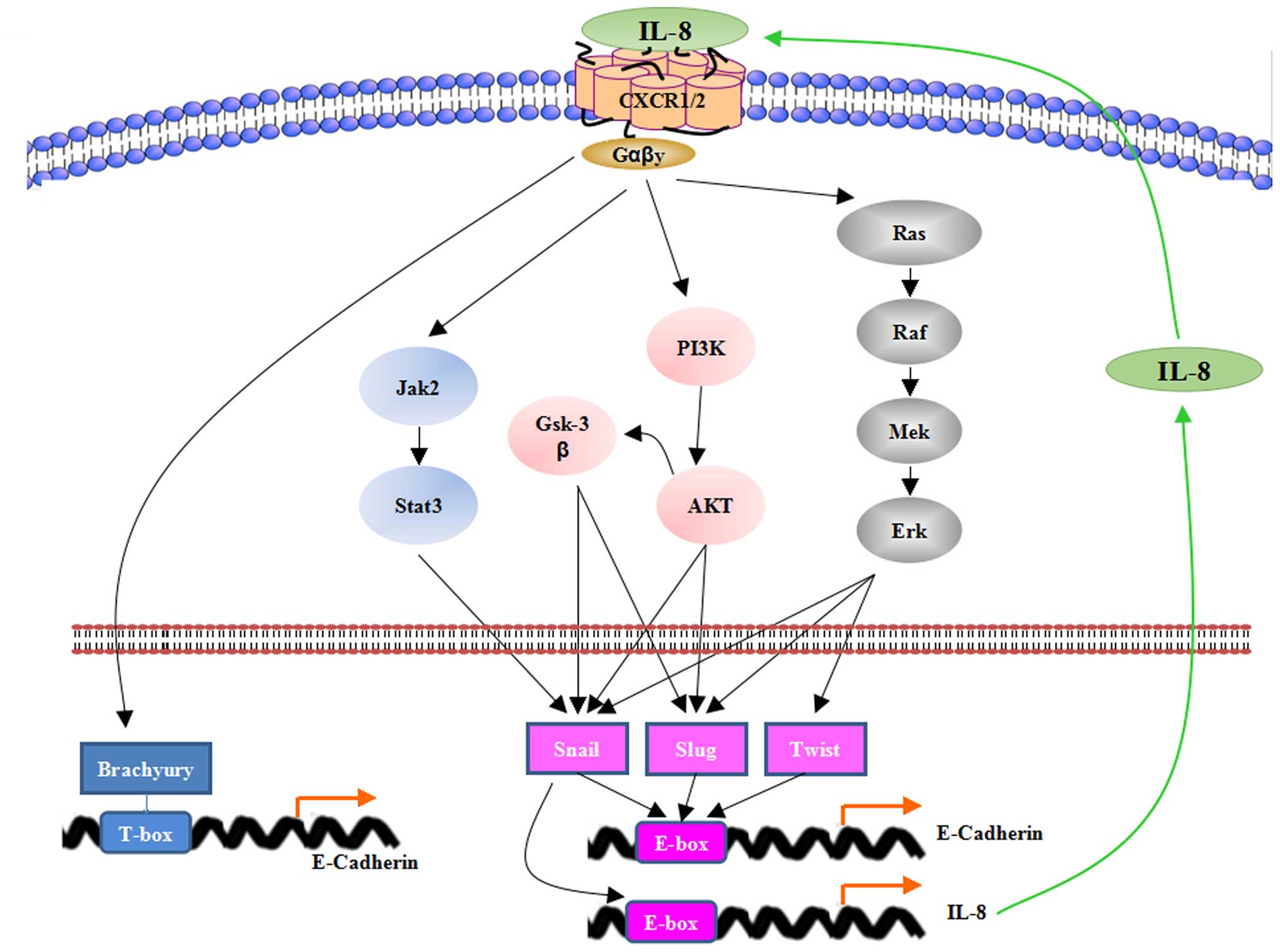
Interleukin 8 is a chemokine produced by various immune cells. They promote angiogenesis, proliferation and development of cancerous cells. The other diseases which are associated with interleukin 8 are depression, schizophrenia, bipolar disorder, migraine, Alzheimer’s disease, colitis, rheumatoid arthritis, multiple sclerosis, asthma, allergic rhinitis, psoriasis, eczema and others.
Image result for Interleukin 8 Inhibitors
Interleukin 8 inhibitors therapies have shown improvements as anti-CXCL8 signalling inhibitors for the treatment of various diseases, including cancer and inflammatory diseases. Studies demonstrated that interleukin 8 can be indirectly targeted by mitogen activated protein kinase (MAPK) inhibitors, phosphatidylinositol-3-kinase (PI3K)/AKT inhibitors, and NF-κB inhibitors while direct targeting can be done by CXCL8 neutralizing antibodies, and other drug therapies such as Reparixin. Potent effects of interleukin 8 inhibitors therapeutics as chemo-modulators and anti-angiogenics are expected to treat various tumors.
Request to Get the Sample Pages at: 
The report provides a comprehensive understanding of the pipeline activities covering all drug candidates under various stages of development, with detailed analysis of pipeline and clinical trials. Pipeline analysis of drugs by phases includes product description and development activities including information about clinical results, designations, collaborations, licencing, grants, technology and others.

Share:

Mitogen-Activated Protein Kinase (MAPK) Inhibitors Therapeutics - Pipeline Analysis 2019


Mitogen-activated protein kinase (MAPK) are ubiquitous regulators of many cellular functions including cell proliferation, cellular growth, inflammatory responses to stress signals and cell differentiation. MAPK pathway, involves three main kinases, Raf, MEK and ERK, has emerged as a novel target for the development of new cancer therapies with reduced side-effects.

MAPK inhibitors are being developed as small molecules, for the treatment of various types of cancer. They have also showed additional benefits with high effectiveness at lower concentrations in comparison to the ATP-competitive inhibitors, for the cancer therapy.
Request to Get the Sample Pages at: 
Mereo BioPharma Group plc is in the process of developing Acumapimod as an oral p38 MAPK inhibitor for the treatment of acute exacerbations of chronic obstructive pulmonary disease (AECOPD). eFFECTOR Therapeutics Inc., Genentech Inc., and Kura Oncology Inc. are some other companies having pipeline of MAPK inhibitors.


The report provides a comprehensive understanding of the pipeline activities covering all drug candidates under various stages of development, with detailed analysis of pipeline and clinical trials. Pipeline analysis of drugs by phases includes product description and development activities including information about clinical results, designations, collaborations, licencing, grants, technology and others.


Share:

MDM2 Protein Inhibitors Therapeutics - Pipeline Analysis 2019


MDM2 protein are powerful oncogene which is overexpressed in various cancers, including breast cancer and sarcoma. There are many small molecule drug candidates that are being developed as MDM2 protein inhibitors as monotherapy or combination therapy for the treatment of various cancers. 
Combination therapies are more effective than monotherapy in certain cases. The therapeutic strategies aim at blocking MDM2 expression, blocking the physical interaction between MDM2 and p53, modulating the E3 ubiquitin ligase activity of MDM2 and targeting the MDM2-p53 (protein–protein) complex, for the treatment of various indications.

Request to Get the Sample Pages at:  

MDM2 protein therapies have shown positive clinical results for the treatment of various cancers. Also, researches have demonstrated that additional biomarkers are required to be identified to increase the chances of clinical success as mutations in p53 can lead to resistance to MDM2 inhibitors.


Daiichi Sankyo Company Limited is in the process of developing DS-3032 as a proto-oncogene protein C MDM2 inhibitor for the treatment of leukemia, and solid cancers. Some of the other companies having pipeline of MDM2 protein inhibitors include Aileron Therapeutics Inc., Amgen Inc., and F. Hoffmann-La Roche Ltd.


Share:

Interleukin Receptor Modulators Therapeutics - Pipeline Analysis 2019, Clinical Trials & Results, Patents


Interleukin receptors are a group of cytokine receptors that are expressed by leukocytes. Interleukin receptors play an important role in the functioning of the immune system. However, with complete knowledge of their role in pathogenesis of different diseases from allergic reactions to autoimmune disorders and even cancer makes these interleukin receptors an attractive target among different available treatment modalities.

Immune-modulatory role of interleukins as well as their direct and indirect contact with apoptosis and other cancer developments, angiogenesis and progression pathways makes them attractive targets for cancer treatment. GlaxoSmithKline plc is in the process of developing GSK2618960 as an interleukin 7 modulator for the treatment of Sjogren's syndrome. Some of the other companies having pipeline of interleukin receptor modulators include Can-Fite BioPharma Ltd., and Pfizer Inc.

Request to Get the Sample Pages at:   https://www.pharmaproff.com/request-sample/1204

The report provides a comprehensive understanding of the pipeline activities covering all drug candidates under various stages of development, with detailed analysis of pipeline and clinical trials. Pipeline analysis of drugs by phases includes product description and development activities including information about clinical results, designations, collaborations, licencing, grants, technology and others.

Share:

Endothelin Antagonists Therapeutics - Pipeline Analysis , Patents, Designations, Collaborations, and Other Developments


Endothelin antagonists are drug candidates that acts against endothelin receptors and generate pharmacological actions such as blocking the vasoconstriction and mediate vasodilatation. Endothelin-1 is a peptide which is comprised of 21 amino acids and formed by vascular endothelium. The biological molecule is a potent vasoconstrictor that binds to endothelin receptors A and B. This further leads to the activation of IP3 DA pathway that causes efflux of calcium ions from the endoplasmic reticulum and produce vasoconstriction in the smooth muscles. 

Image result for Endothelin Antagonists images


AbbVie Inc. is in the process of developing ABT-627 as an endothelin receptor antagonist for the treatment of diabetic nephropathy in type 2 diabetes. Idorsia Pharmaceuticals Ltd. is developing ACT-132577 as an endothelin receptor antagonist for the treatment of resistant hypertension. Moreover, Retrophin Inc. is also developing sparsentan as an endothelin receptor antagonist for the treatment of focal segmental glomerulosclerosis. Ligand Pharmaceuticals Inc., and ENB Therapeutics LLC are some other companies having pipeline of endothelin receptor antagonist.
Download Free PDF Sample Copy:
The report provides a comprehensive understanding of the pipeline activities covering all drug candidates under various stages of development, with the detailed analysis of pipeline and clinical trials. Pipeline analysis of drugs by phases includes product description and development activities including information about clinical results, designations, collaborations, licensing, grants, technology, and others.

Share:

Epidermal Growth Factor Receptor (EGFR) Antagonists Therapeutics - Pipeline Analysis , Clinical Trials & Results, Patents, Designations


Epidermal growth factor receptors (EGFR) are a group of receptor tyrosine kinase (RTK) that plays a major role in cell proliferation, survival and differentiation. In most of the cancer, EGFR are amplified and overexpressed, due to dysregulation, resulting in cancer development.
Image result for Epidermal Growth Factor Receptor

EGFR inhibitors therapies have shown improvement by inhibiting receptor signalling and enhancing the effects of radiation therapy and conventional chemotherapy with their anti-tumor activity. Cetuximab, Panitumumab, Erlotinib and Afatinib are some of the major marketed drugs as anti-EGFR therapies for the treatment of colorectal cancer, head and neck cancer and non-small cell lung cancer.
Download Free PDF Sample Copy:


The report provides a comprehensive understanding of the pipeline activities covering all drug candidates under various stages of development, with detailed analysis of pipeline and clinical trials. Pipeline analysis of drugs by phases includes product description and development activities including information about clinical results, designations, collaborations, licencing, grants, technology and others.

Share:

Galectin Inhibitor Therapeutics - Pipeline Analysis , Clinical Trials & Results, Patents, Designations, Collaborations, and Other Developments


Galectins belong to the family of animal lectins and perform function by interacting with cytoplasmic and nuclear proteins, cell-surface and extracellular matrix glycoproteins and glycolipids to modulate signalling pathways. Studies have shown the crucial roles of galectin in cancer as they contribute to tumour cell survival, tumour metastasis, angiogenesis and neoplastic transformation.
 Image result for Galectin Inhibitor
Many studies have demonstrated role of galectins in the pathogenesis of various diseases including malignant, fibrotic and inflammatory diseases; hence, emerges as an attractive target for the therapeutic of various diseases. Galectin-3 inhibitors has shown positive clinical results for the treatment of acute lymphoblastic leukemia. Thus, providing several opportunities to the companies for the development of galectin-based therapies for the treatment of multiple human diseases.
Download Free PDF Sample Copy:
The report provides a comprehensive understanding of the pipeline activities covering all drug candidates under various stages of development, with detailed analysis of pipeline and clinical trials. Pipeline analysis of drugs by phases includes product description and development activities including information about clinical results, designations, collaborations, licencing, grants, technology and others.


Read More..
Share:

Myasthenia Gravis Therapeutics Pipeline Analysis- Clinical Trials & Results, Patent, Designation, Collaboration

The study analysed that the therapeutics pipeline comprises of approximately 19 drug candidates in different stages of development. Myasthenia gravis is a chronic autoimmune disorder that acts on neuromuscular junction and leads to the weakening of skeletal muscles. This causes loss of muscle control in moving the body parts, such as the movement of arms and legs, breathing, loss of eye movements, chewing, talking, and swallowing. The situation of the disease worsens after a period of activity and improves after a period of rest.
Various companies, educational institutes and medical organizations are collaborating for the development of drugs for the treatment of this disease. For instance, Merck & Co., Inc. entered into a multi-targeted collaboration and license agreement with Ra Pharmaceuticals, Inc. to use the latter’s drug discovery technology platform for the development of orally available cyclic peptides for the treatment of myasthenia gravis.
It has been observed that most of the drugs in the myasthenia gravis therapeutics pipeline, are being developed from the natural source. NT-1654 is a heparan sulfate proteoglycan, and is under development by Neurotune AG for the treatment of myasthenia gravis. The drug acts as a neuromuscular junction stimulator.

Some of the key players developing drugs for the treatment of myasthenia gravis include Alexion Pharmaceuticals, Inc., CSL Behring LLC, Novartis AG and others.
Myasthenia gravis Therapeutics Pipeline Analysis
·         By Phase
·         By Molecule Type
·         By Route of Administration
·         By Company

Contact:
P&S Market Research
347, 5th Ave. #1402
New York City, NY - 10016
Toll-free: +18887787886 (USA/Canada)
Email: enquiry@psmarketresearch.com

Connect with us: LinkedIn | Twitter | Google + | Facebook
Share:

Myasthenia Gravis Therapeutics Pipeline Analysis- Clinical Trials & Results, Patent, Designation, Collaboration

The study analysed that the therapeutics pipeline comprises of approximately 19 drug candidates in different stages of development. Myastheniagravis is a chronic autoimmune disorder that acts on neuromuscular junction and leads to the weakening of skeletal muscles. This causes loss of muscle control in moving the body parts, such as the movement of arms and legs, breathing, loss of eye movements, chewing, talking, and swallowing. The situation of the disease worsens after a period of activity and improves after a period of rest.
Various companies, educational institutes and medical organizations are collaborating for the development of drugs for the treatment of this disease. For instance, Merck & Co., Inc. entered into a multi-targeted collaboration and license agreement with Ra Pharmaceuticals, Inc. to use the latter’s drug discovery technology platform for the development of orally available cyclic peptides for the treatment of myasthenia gravis.
It has been observed that most of the drugs in the myasthenia gravis therapeutics pipeline, are being developed from the natural source. NT-1654 is a heparan sulfate proteoglycan, and is under development by Neurotune AG for the treatment of myasthenia gravis. The drug acts as a neuromuscular junction stimulator.
Some of the key players developing drugs for the treatment of myasthenia gravis include Alexion Pharmaceuticals, Inc., CSL Behring LLC, Novartis AG and others.
Myasthenia gravis Therapeutics Pipeline Analysis
·         By Phase
·         By Molecule Type
·         By Route of Administration

·         By Company
Share:

Technological Advancements to Lead the Process of Drug Development for the Treatment of Diabetic Foot Ulcer

The study analysed that the diabetic foot ulcer pipeline comprises of approximately 27 drug candidates in different stages of development.
Diabetic foot ulcer is a serious complication of diabetes and can be defined as the ulceration in foot along with neuropathy or peripheral artery disease of the lower limb in diabetic patients. Diabetic foot ulcer is categorized into two types namely; neuropathic foot where neuropathy dominates and neuroischemic foot where occlusive vascular disease is the main factor.


Diabetic neuropathy, peripheral artery disease and consequent trauma of the foot are the major risk factors for diabetic foot ulcer. The motor and sensory nerve damage can caus muscle weakness, paresis and atrophy in diabetic patients. Diabetic foot ulcer can be assessed by physical examination of the skin for the vascular, neurological, and musculoskeletal systems. Additionally, this examination also involves the assessment of perception of superficial pain, and temperature. Neuropathic disability score is assessed to evaluate the risk of occurrence of neuropathic ulceration.

Based on route of administration analysis of active drug candidates, it was found that around most of the drug candidates of diabetic foot ulcer pipeline are being developed to be administered by the topical route.
Most of the innovations in technology have been producing novel therapies for the treatment of diabetic foot ulcer. NOx is an advanced wound care technology invented by Edixomed Ltd, that provides the important moist environment, which aids in healing and absorbs wound exudate that generates nitric oxide.
Significant growth in the therapeutic pipeline of diabetic foot ulcer is attributed to increasing collaboration between educational institutes, associations and pharma companies as well as biotech companies. For instance, in March 2016, Microbion Corporation entered into an agreement with Haisco Pharmaceutical Group to develop and commercialize Microbion’s drug candidate for the treatment of chronic wounds in China and related territories.
Some of the key players developing drugs for the treatment of diabetic foot ulcer include Lakewood Amedex, Inc., Edixomed Ltd., CardioVascular BioTherapeutics Inc. and others.
Diabetic Foot Ulcer Pipeline Analysis
o    By Phase
o    By Route of Administration
o    By Molecule Type
o    By Company


Contact:
Mr. Kundan Kumar
Manager – Client Partner
347, 5th Ave. #1402
New York City, NY - 10016
Toll-free: +18887787886 (USA/Canada)
Email: enquiry@psmarketresearch.com
Connect with us: LinkedIn | Twitter | Google + | Facebook


Share:

Popular Posts

Labels

Linkedin Profile

APSense

Business Network

Recent Posts

Research Pages