Adrenocortical Carcinoma Therapeutics - Pipeline Analysis, Collaborations, and Other Developments
Pramod KmrOctober 02, 2019Adrenocortical Carcinoma Therapeutics - Pipeline Analysis 2018, Clinical Trials & Results, Developments, Diagnostics, Drugs Policy and Regulatory Landscape, Patents, Patient, Therapeutics
2 comments
Adrenocortical
carcinoma, also known as adrenal cortex carcinoma, is a rare form of
cancer that occurs at the cortex layer of the adrenal gland. There are two
adrenal glands present in the human body: one at the top of each kidney. Each
adrenal gland is comprised of two distinct structures: the outer part of the adrenal
glands (adrenal cortex) and the inner region (adrenal medulla).
Some of the genetic condition that can cause adrenocortical
carcinoma are Li-Fraumeni syndrome, Carney complex, and Beckwith-Wiedemann
syndrome. Some of the most common symptoms of this medical condition includes
abdominal pain, lump in the abdomen, and feeling of fullness.
Request to Get the Sample Pages at:
The disease can
be diagnosed by imaging technique such as computed tomography (CT) scan,
magnetic resonance imaging (MRI), biopsy, blood tests, and urine tests. Millendo
Therapeutics Inc. is in the process of developing ATR-101 as an acetyl CoA
C-acetyltransferase inhibitor for the treatment of adrenocortical carcinoma.
Merck & Co., Inc. is also in the process of developing pembrolizumab as a
CD274 antigen inhibitor for the treatment of adrenocortical carcinoma. Some of
the other companies and universities having the pipeline drug for
adrenocortical carcinoma includes the Columbia University, Medunik Canada Inc.,
HRA Pharma, and others.
The report provides a comprehensive understanding of the
pipeline activities covering all drug candidates under various stages of
development, with the detailed analysis of pipeline and clinical trials.
Pipeline analysis of drugs by phases includes product
description and development activities including information about clinical
results, designations, collaborations, licensing, grants, technology, and
others.
Cathepsin K Inhibitors Therapeutics - Pipeline Analysis 2019 Clinical Trials & Results
Pramod KmrOctober 02, 2019and Other Developments, Cathepsin K Inhibitors Therapeutics - Pipeline Analysis 2019, Clinical Trials & Results, Collaborations, Designations, Patents
1 comment
Cathepsin K is a protease enzyme which is coded by CTSK gene. The function associated with the gene involves bone remodelling and resorption. Cathepsin K is a member of peptidase C1 protein family and expressed mainly in osteoclasts. The protein has high specificity for kinins and has the capability to catabolize collagen, elastin, and gelatin. Cathepsin K is found to be over-expressed in cancer such as breast cancer and glioblastoma. The mutation in CTSK gene can cause pycnodysostosis. Due to over expression of cathepsin K in osteoclasts, bone deformation occurs which leads to osteoporosis.
Company like Medivir AB is in the process of developing MIV-711 as a cathepsin K inhibitor for the treatment of osteoarthritis. Amura Holdings Ltd., and Merck & Co. Inc. are some other companies having pipeline of cathepsin K inhibitors.
Request to Get the Sample Pages at:
The report provides a comprehensive understanding of the pipeline activities covering all drug candidates under various stages of development, with the detailed analysis of pipeline and clinical trials. Pipeline analysis of drugs by phases includes product description and development activities including information about clinical results, designations, collaborations, licensing, grants, technology, and others.
Adenosine 5-Monophosphate Activated Protein Kinase (AMPK) Modulators Therapeutics - Pipeline Analysis 2018
Pramod KmrSeptember 27, 2019Adenosine 5-Monophosphate Activated Protein Kinase (AMPK) Modulators Therapeutics - Pipeline Analysis 2018, and Other Developments, Clinical Trials & Results, Collaborations, Designations, Patents
1 comment
Adenosine
5-monophosphate activated protein kinase (AMPK) plays an important role
in regulation of homeostasis. Dysregulation of AMPK can result in many diseases
which includes obesity and type 2 diabetes. Several studies have also suggested
that AMPK are also associated with the development of neurological diseases and
cancer.
Esperion Therapeutics Inc. is in the process of developing
Bempedoic acid as a small molecule which acts as an AMPK stimulant for the
treatment of hypercholesterolemia, dyslipidaemia, and hypertension. Betagenon
AB, Boehringer Ingelheim International GmbH, and Poxel SA are some other
companies having pipeline AMPK modulators for the management of several
diseases.
Request to Get the Sample Pages at:
The report provides a comprehensive understanding of the
pipeline activities covering all drug candidates under various stages of
development, with detailed analysis of pipeline and clinical trials.
Pipeline analysis of drugs by phases includes product
description and development activities including information about clinical
results, designations, collaborations, licensing, grants, technology and
others.
Aurora Kinase Inhibitor Therapeutics - Pipeline Analysis 2019
Pramod KmrSeptember 27, 2019and Other Developments, Aurora Kinase Inhibitor Therapeutics - Pipeline Analysis 2018, Clinical Trials & Results, Collaborations, Designations, Patents
1 comment
Aurora
kinase are proteins that function as mitotic regulators and are
aberrantly expressed in cancerous cells. Aurora kinase inhibitors target these
aberrantly expressed regulators, provides genetic stability and prevents
tumorigenesis.
Several studies have demonstrated overexpression and
amplification of aurora kinase in various haematological and solid cancers.
Aurora kinase inhibitors when combined with other anti-cancer agents gives more
positive results in variety of cancers. Better evaluation of aurora kinase
inhibitors is required which raises the need of biomarkers, effective and novel
therapeutic agents. Also, aurora kinase inhibitors selectivity targets cancer
cells rather than healthy tissues, providing potential opportunities for more
effective drug development with reduced adverse effects.
Request to Get the Sample Pages at:
AstraZeneca PLC is in the process of developing AZD-2811 as
a small molecule which acts as an aurora B inhibitor for the treatment of solid
tumors. Some of the other companies having pipeline of aurora kinase inhibitors
include AbbVie Inc., Merck & Co., Inc., and CASI Pharmaceuticals Inc.
The report provides a comprehensive understanding of the
pipeline activities covering all drug candidates under various stages of
development, with detailed analysis of pipeline and clinical trials. Pipeline
analysis of drugs by phases includes product description and development
activities including information about clinical results, designations,
collaborations, licencing, grants, technology and others.
Hepatocyte Growth Factor (HGF) Inhibitor Therapeutics - Pipeline Analysis 2019
Pramod KmrSeptember 24, 2019and Other Developments, Clinical Trials & Results, Collaborations, Designations, Hepatocyte Growth Factor (HGF) Inhibitor Therapeutics - Pipeline Analysis 2019, Patents
1 comment
Hepatocyte
growth factor (HGF) is secreted by human pancreatic stellate cells and
present predominantly on cancer cells. Thus, HGF inhibitors has emerged as an
effective therapy in preventing local tumor growth. Also, studies have
demonstrated that HGF inhibitors are significantly more effective than
Gemcitabine in inhibiting tumor angiogenesis and metastasis.
Studies have demonstrated that the HGF inhibitor can be a
novel therapeutics that can be developed as a monotherapy or as combination
therapy with RAS-RAF-MEK, AKT-mTOR, and EGFR inhibitors for the treatment of
various human cancers. HGF inhibitors have shown potent antineoplastic effects
in several clinical trials for the treatment of head and neck squamous cell
carcinoma as HGF/c-Met pathway is directly involved in the development of a
proliferative, invasive, and metastatic cancer.
Request to Get the Sample Pages at:
AVEO Pharmaceuticals Inc. is in the process of developing
Ficlatuzumab as a potent HGF inhibitor antibody that binds to the HGF ligand
with high affinity and specificity to inhibit HGF/c-Met biological activities
for the treatment of squamous cell carcinoma of the head and neck and acute
myeloid leukemia. Galaxy Biotech LLC, Daiichi Sankyo Company Limited, and Taiho
Pharmaceutical Co. are some other companies having HGF inhibitor pipeline.
The report provides a comprehensive understanding of the
pipeline activities covering all drug candidates under various stages of
development, with detailed analysis of pipeline and clinical trials. Pipeline
analysis of drugs by phases includes product description and development
activities including information about clinical results, designations,
collaborations, licencing, grants, technology and others.
Interleukin 8 Inhibitors Therapeutics - Pipeline Analysis 2019
Pramod KmrSeptember 24, 2019and Other Developments, Clinical Trials & Results, Collaborations, Designations, Interleukin 8 Inhibitors Therapeutics - Pipeline Analysis 2019, Patents
No comments
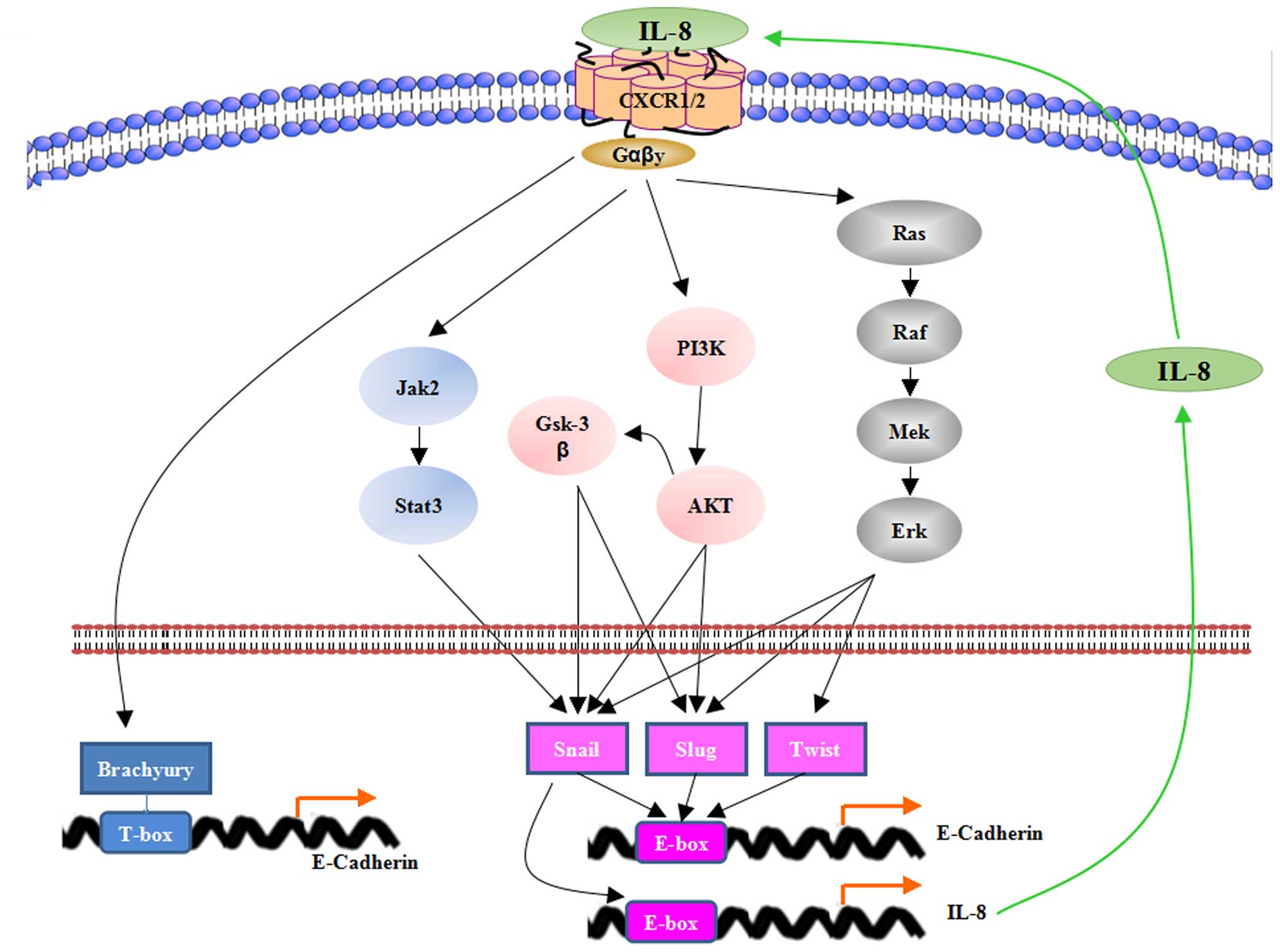
Interleukin 8 is a
chemokine produced by various immune cells. They promote angiogenesis,
proliferation and development of cancerous cells. The other diseases which are
associated with interleukin 8 are depression, schizophrenia, bipolar disorder,
migraine, Alzheimer’s disease, colitis, rheumatoid arthritis, multiple
sclerosis, asthma, allergic rhinitis, psoriasis, eczema and others.
Interleukin 8 inhibitors therapies have shown improvements
as anti-CXCL8 signalling inhibitors for the treatment of various diseases,
including cancer and inflammatory diseases. Studies demonstrated that interleukin
8 can be indirectly targeted by mitogen activated protein kinase (MAPK)
inhibitors, phosphatidylinositol-3-kinase (PI3K)/AKT inhibitors, and NF-κB
inhibitors while direct targeting can be done by CXCL8 neutralizing antibodies,
and other drug therapies such as Reparixin. Potent effects of interleukin 8
inhibitors therapeutics as chemo-modulators and anti-angiogenics are expected
to treat various tumors.
Request to Get the Sample Pages at:
The report provides a comprehensive understanding of the
pipeline activities covering all drug candidates under various stages of
development, with detailed analysis of pipeline and clinical trials. Pipeline
analysis of drugs by phases includes product description and development
activities including information about clinical results, designations,
collaborations, licencing, grants, technology and others.
Mitogen-Activated Protein Kinase (MAPK) Inhibitors Therapeutics - Pipeline Analysis 2019
Pramod KmrSeptember 13, 2019and Other Developments, Clinical Trials & Results, Collaborations, Designations, Mitogen-Activated Protein Kinase (MAPK) Inhibitors Therapeutics - Pipeline Analysis 2019, Patents
No comments
Mitogen-activated
protein kinase (MAPK) are ubiquitous regulators of many cellular
functions including cell proliferation, cellular growth, inflammatory responses
to stress signals and cell differentiation. MAPK pathway, involves three main
kinases, Raf, MEK and ERK, has emerged as a novel target for the development of
new cancer therapies with reduced side-effects.
MAPK inhibitors are being developed as small molecules, for
the treatment of various types of cancer. They have also showed additional
benefits with high effectiveness at lower concentrations in comparison to the
ATP-competitive inhibitors, for the cancer therapy.
Request to Get the Sample Pages at:
Mereo BioPharma Group plc is in the process of developing
Acumapimod as an oral p38 MAPK inhibitor for the treatment of acute
exacerbations of chronic obstructive pulmonary disease (AECOPD). eFFECTOR
Therapeutics Inc., Genentech Inc., and Kura Oncology Inc. are some other
companies having pipeline of MAPK inhibitors.
Access Detailed Report Summary: https://www.pharmaproff.com/report/mapk-inhibitors-therapeutics
The report provides a comprehensive understanding of the
pipeline activities covering all drug candidates under various stages of
development, with detailed analysis of pipeline and clinical trials. Pipeline
analysis of drugs by phases includes product description and development
activities including information about clinical results, designations,
collaborations, licencing, grants, technology and others.